
Different rooms.
Different rules.
Every environment has its own participants, protocols, pressures, and definition of success. The work begins by understanding what the room needs to accomplish.
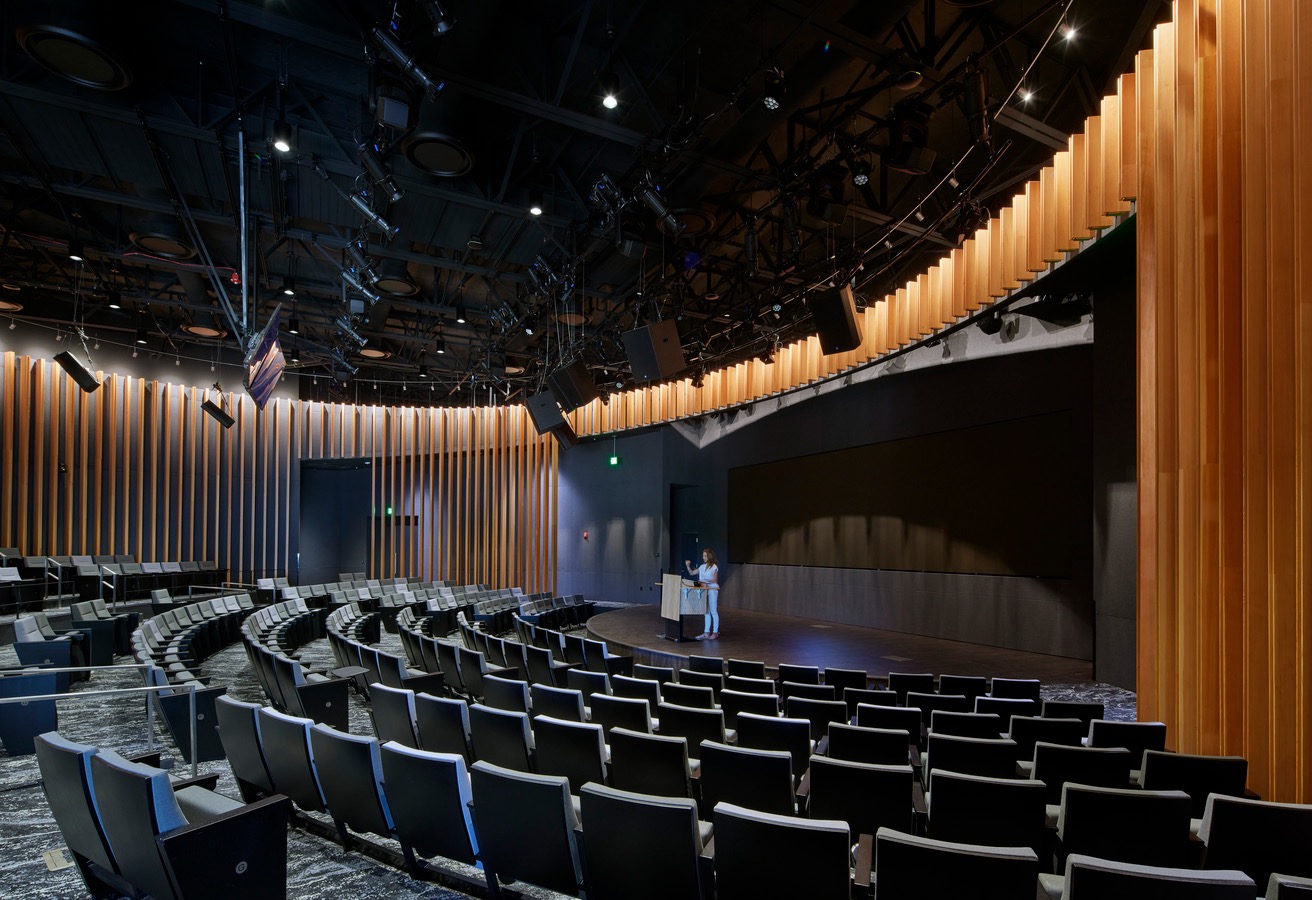
Blooming Prairie High School Auditorium · Blooming Prairie, Minnesota
Technology has to belong to the place.
Familiar components may appear across projects, but the work starts with the people, workflow, architecture, and operating reality of each environment.
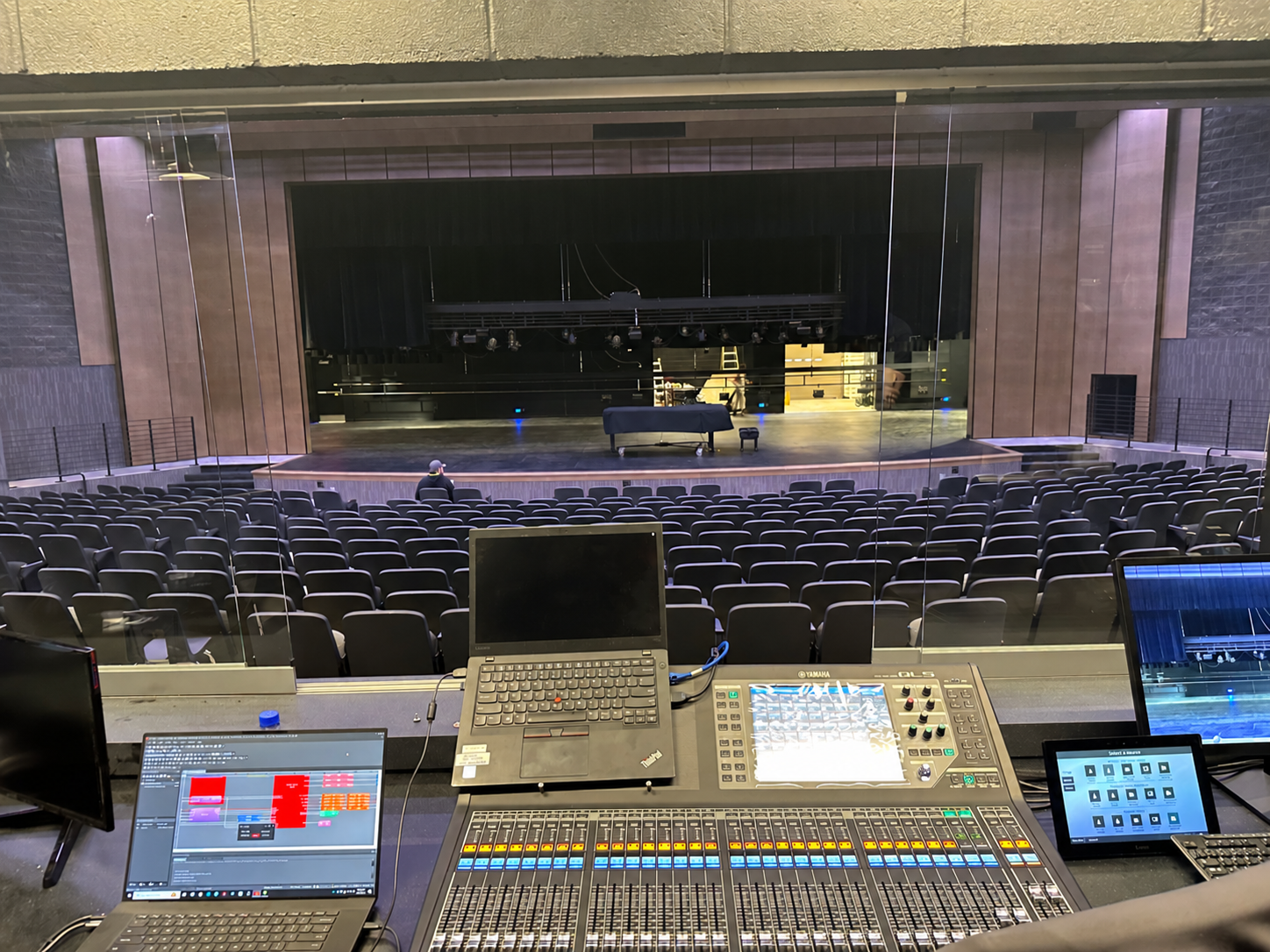
The audience, performers, and operators share one system.
Performance spaces bring architectural experience and technical operation into direct contact. Stage support, loudspeaker coverage, production positions, signal paths, control, and audience geometry have to work together without weakening the character of the room.
- Audience experience + coverage
- Stage and production workflows
- Control positions + signal paths
- Architecture + technical infrastructure
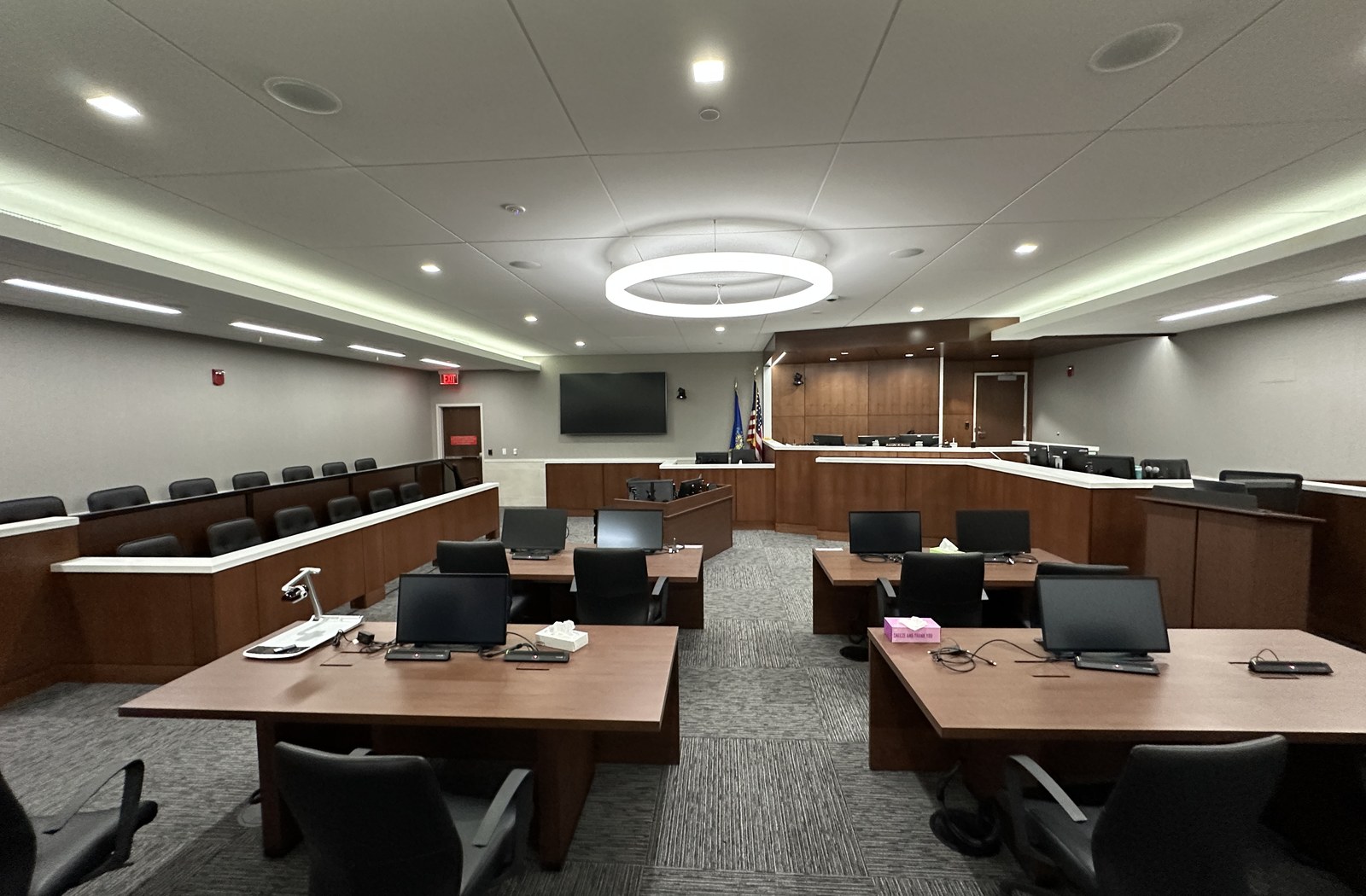
Courtroom technology should support the proceeding without competing with it.
Every courtroom position carries a distinct responsibility. Courtroom consulting starts with the proceeding itself: evidence presentation, participant audio, remote appearances, recording, control, and accessibility must respect protocol.
- Role-specific workflows
- Evidence + presentation
- Remote participation
- Speech intelligibility + record
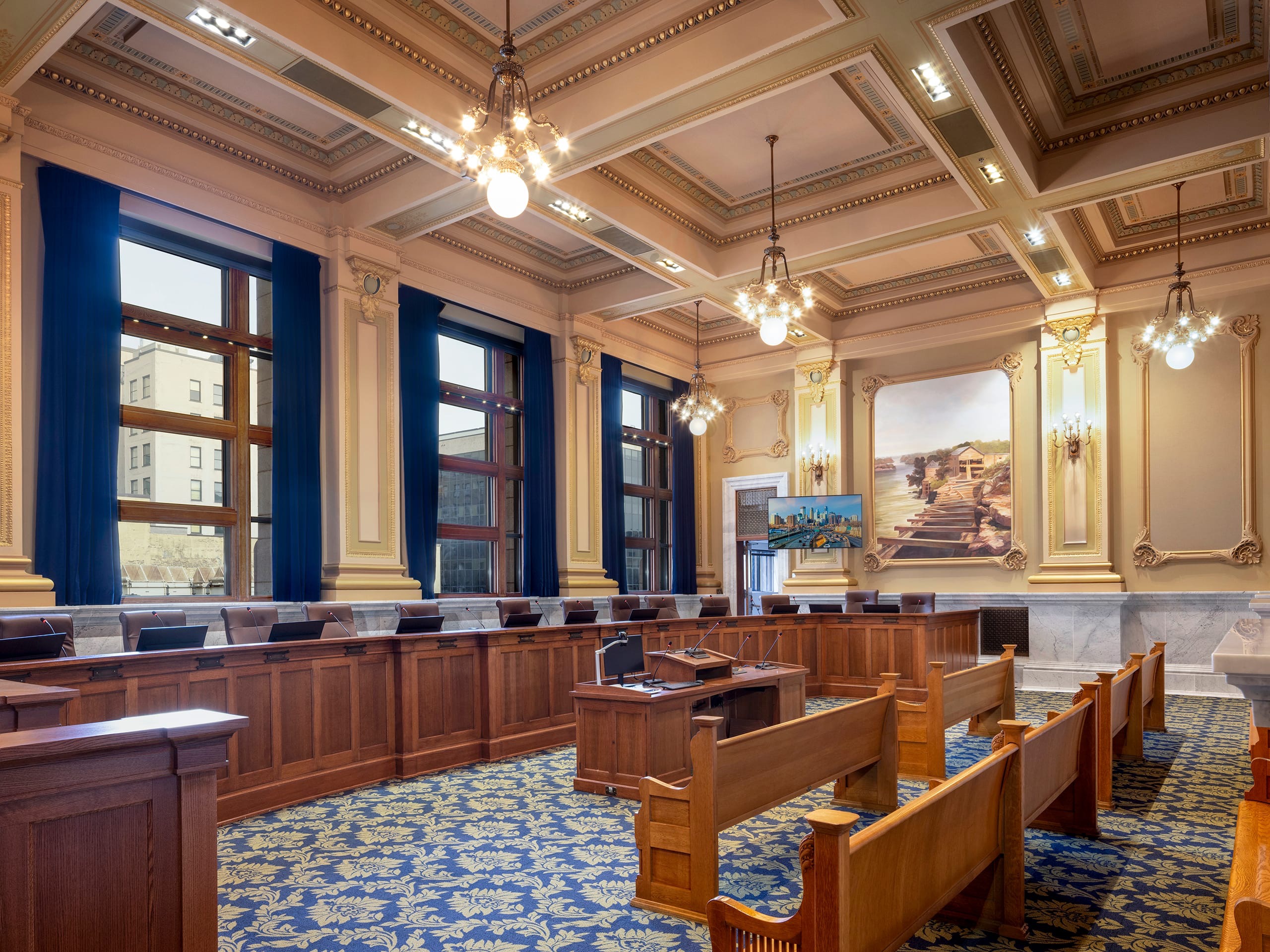
Public participation must remain clear in the room and beyond it.
Civic and justice environments connect discussion, presentation, voting, recording, accessibility, and broadcast. The system must serve officials, staff, operators, in-room attendees, and remote viewers without turning the meeting into a technology exercise.
- Discussion + presentation
- Public access + accessibility
- Recording + broadcast
- Staff and operator workflows
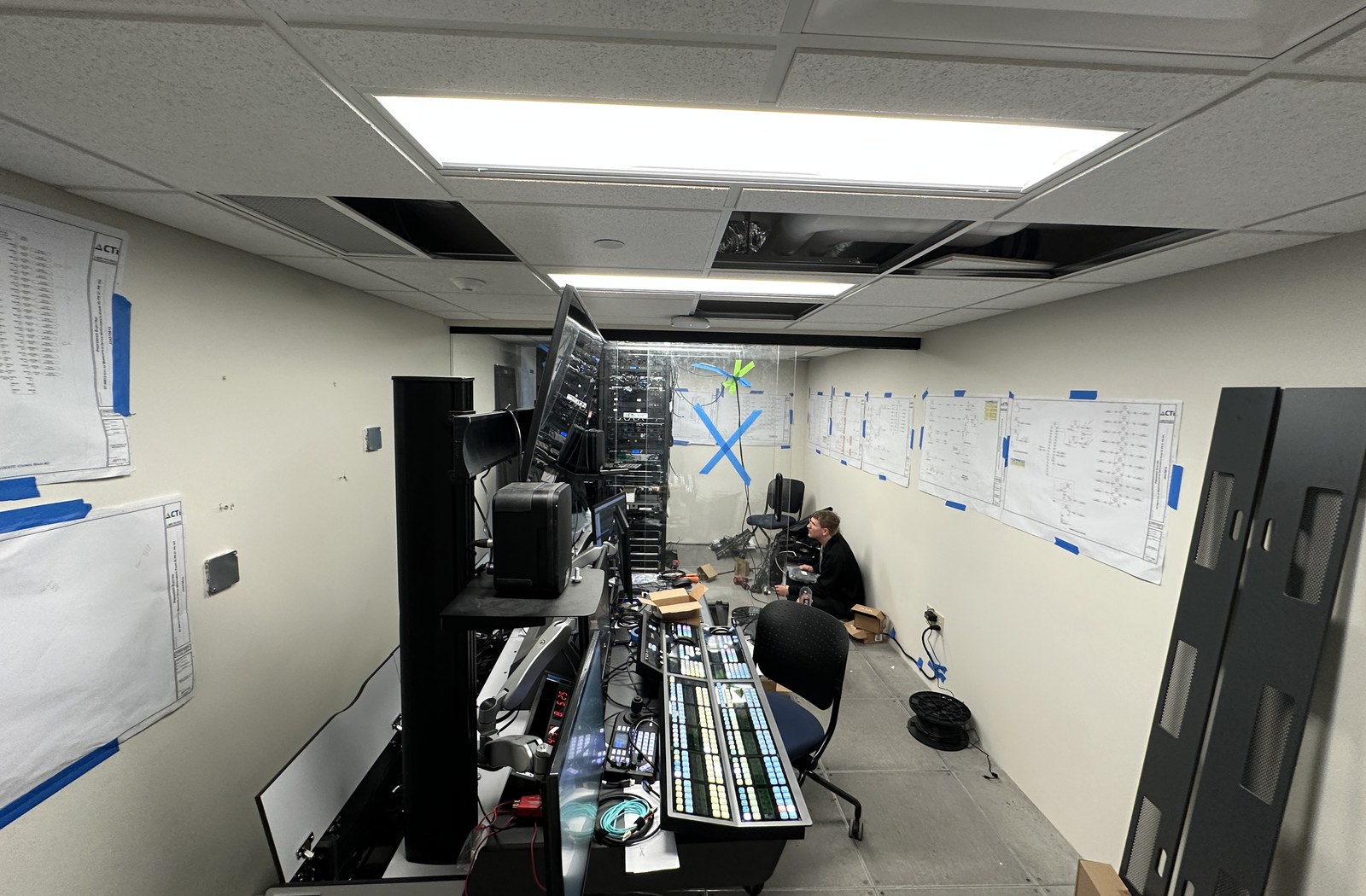
Design the operational layer behind a dependable public experience.
Control rooms concentrate switching, monitoring, recording, communications, and oversight. Layout, visibility, ergonomics, redundancy, and handoffs matter because the people in the room make everything beyond it appear effortless.
- Operator roles + sightlines
- Monitoring + communications
- Signal management
- Reliability + maintainability
A corporate theater has to perform like a broadcast system.
These rooms are statement pieces built for live production. Large-format display, multiple camera positions, broadcast control, audio mixing, switching, lighting, and operator workflows have to work together for events that feel immediate in the room and beyond it.
- Large-format display + content
- Camera positions + sightlines
- Broadcast control + switching
- Audio, lighting + show control
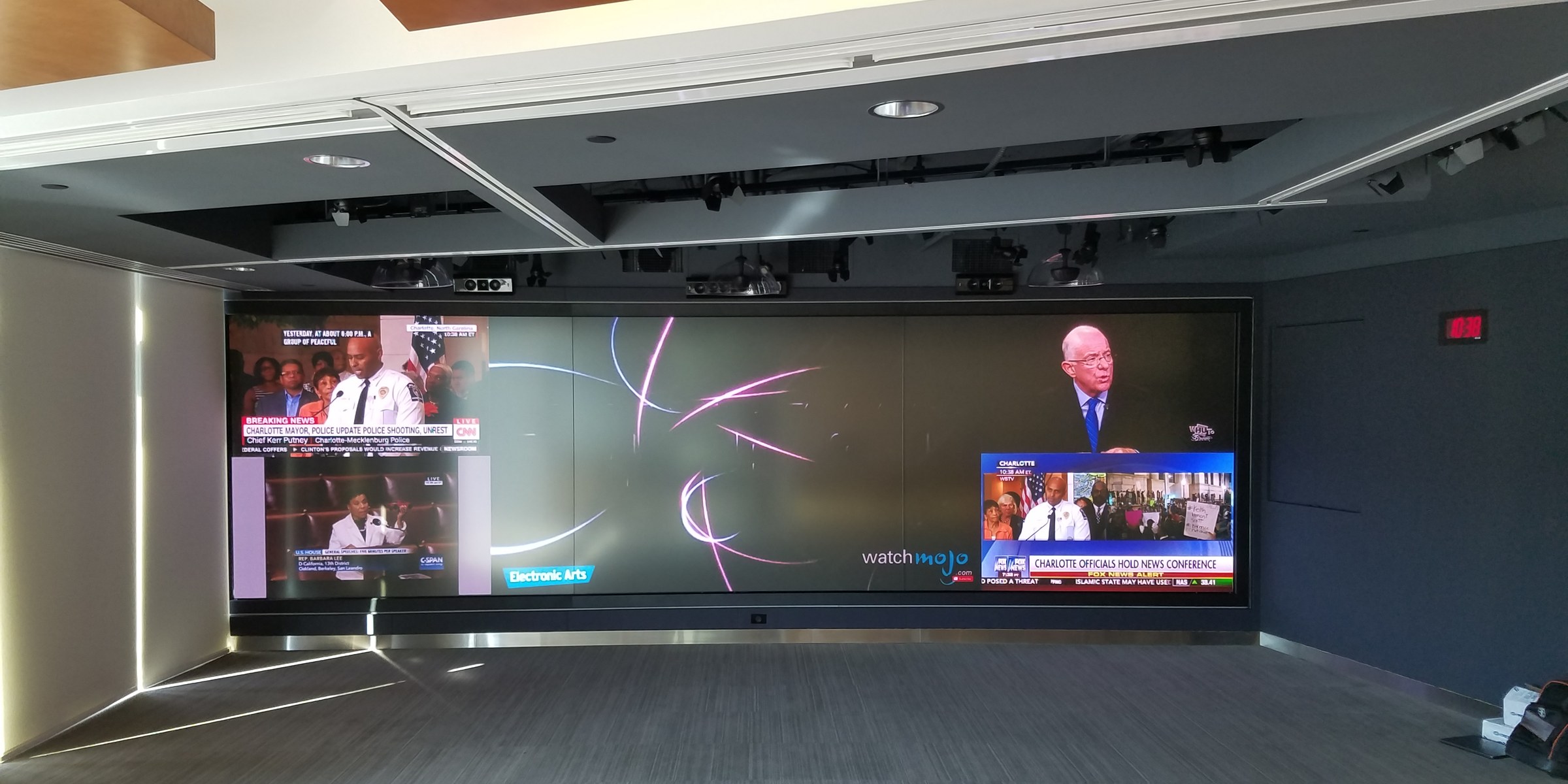
The first impression should carry the same intent as the room.
Corporate lobbies and executive environments introduce an organization before a meeting begins. Large-format display, content, sightlines, control, and serviceability have to work together so the technology feels integrated, legible, and purposeful.
- Arrival + wayfinding
- Large-format display + content
- Viewing geometry + sightlines
- Control + maintainability
What does the room need to accomplish?
Share the environment, project phase, and decision that needs attention. DCHTC can help define what the room needs to accomplish.